
Show your support
Recent Supporters
Write a comment ...

When I talk to people about marketing, I see the same reaction every time: confusion. A blank stare. “What the hell is this guy talking about?” It’s not that they’re unintelligent. Many of them are engineers, doctors, skilled professionals who’ve spent decades perfecting their craft. The problem is simpler and more fundamental: the middle class doesn’t understand distribution.
In the landscape of Indian philosophical thought, Sri Madhvacharya stands as a towering figure who challenged the prevailing intellectual currents of his time and established a robust system of theistic realism known as Dvaita Vedanta.
Writing The Bombay Business Club (available at thebbc.shop) has pushed me to explore transgression—not just as plot device, but as a fundamental psychological phenomenon. The more I’ve studied it, the more I’ve realized that transgression isn’t simply about breaking rules. It’s about who has the power to break them, who they choose as their targets, and what drives them to cross boundaries.
Consciousness is perhaps the most intimate yet mysterious aspect of our existence. We experience it every waking moment, yet defining it proves maddeningly elusive. The question “what is consciousness?” opens doorways into psychology, philosophy, spirituality, and even quantum physics.

I had a story burning inside me. A novel called THE BOMBAY BUSINESS CLUB that I desperately wanted to write.

The Bombay Business Club is a dark, hypnotic tale about three people bound by love, control, and the invisible machinery of wealth.
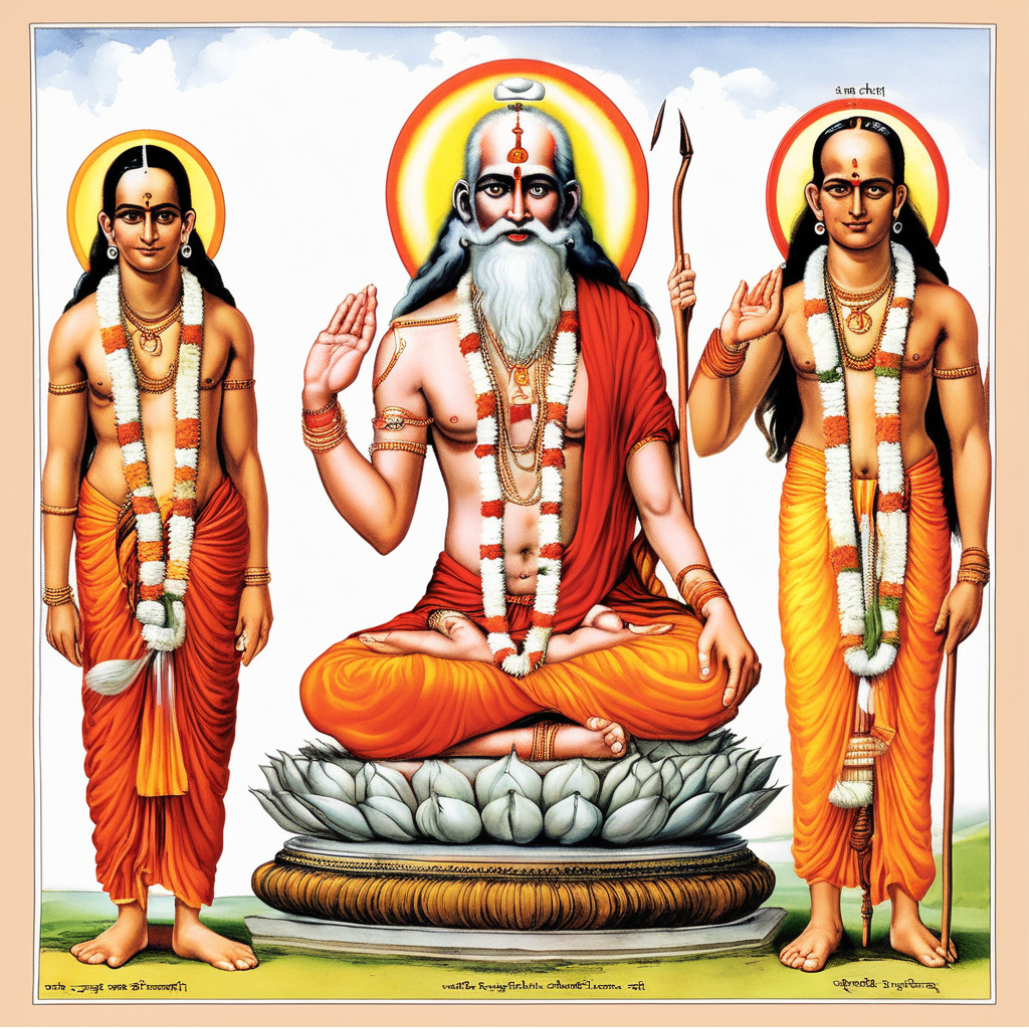
Have you ever wondered about the different paths to understanding God and yourself in Hindu philosophy? Three brilliant thinkers shaped these conversations over five centuries, and their ideas still influence millions today. Let’s explore who they were and what made each one unique.
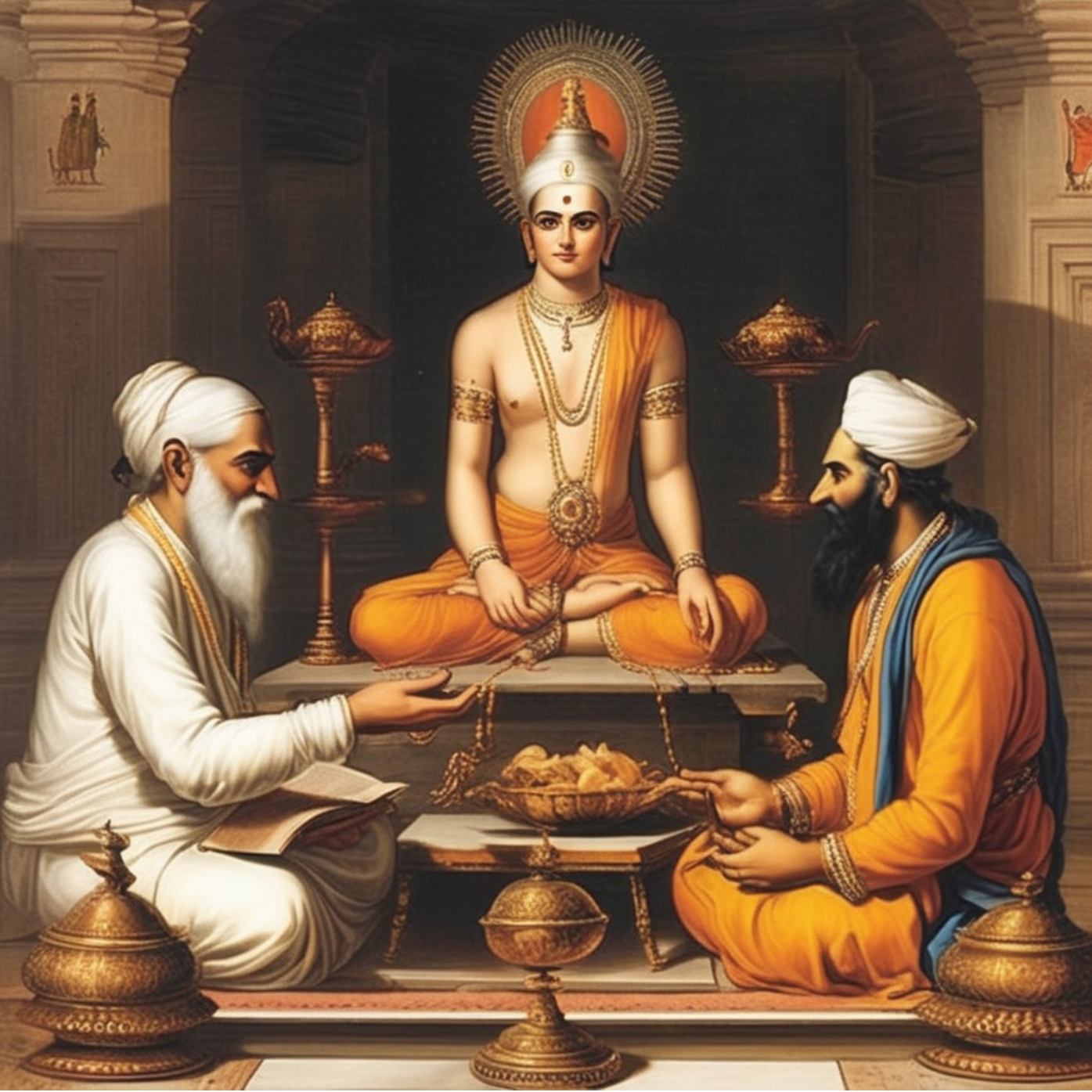
At first glance, Immanuel Kant’s categorical imperative, the Zoroastrian concept of Asha, and Hindu dharma might seem like entirely different ethical frameworks from different traditions. Yet they share a fundamental insight: ethical action isn’t arbitrary or merely personal preference, but connects to something larger and more universal.
For centuries, Hindu temples across India commanded vast territorial holdings—thousands upon thousands of acres that made them among the wealthiest institutions in the subcontinent. These weren’t merely places of worship; they were economic powerhouses that sustained entire communities, funded elaborate rituals, supported schools and hospitals, sheltered the poor, and preserved ancient arts and traditions. The land beneath their stewardship represented generations of royal patronage, devotee donations, and communal trust. But in the span of just a few years following 1975, this centuries-old foundation crumbled—not through conquest or natural disaster, but through the stroke of legislative pens.
Yesterday I was at ananteshwara temple here in Udupi. I saw an elderly man with completely gray hair — not dyed, just naturally grayed out. He was average height, about 5’5”, nothing particularly striking about him. But something about seeing that gray hair made me stop.

A 40-year-old daughter one if India's Richesr Man is facing a declining fertility window, is now desperate to find a groom.

This morning, I saw Chetan Bhagat declare on a podcast:
The idea of nation and global citizenship is fairly recent.

I could not generate enough leads for my new venture where I help people set up their meta advertising.

Who i thought was a fatherly saintly figure, started grooming me for gay sex. This is my 7 day stay with Sadhu Laxman Das as my roommate in Rishikesh.

Well, marriage is a rather funny institution. Here are some stories.
I want people who are intelligent to start writing - I feel the written words scares people who are in power, as the written content is like committing to something which might contradict with their Institution’s mission, organisation or community’s values. This stops lot of intellectuals from writing, they have been lured and bribed by the powers into silence.

I had two mothers, my real one and my step mom. So I am trying to make a collection of stories on this theme

Why haven't I learned from history is one of the most irritating questions someone can ask me.
Write a comment ...